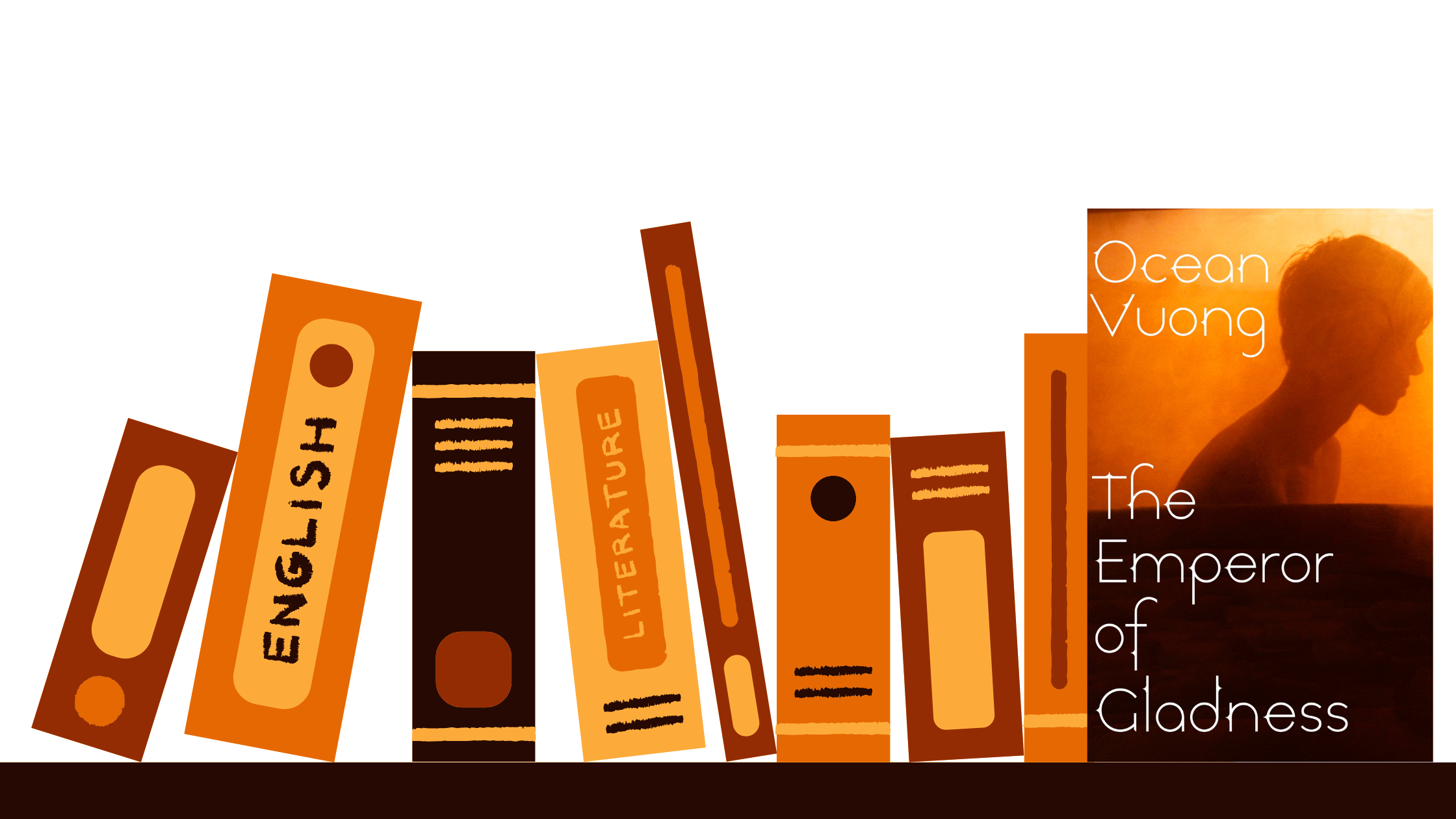
The Emperor of Gladness
“In love we find out who we want to be; in war we find out who we are.”
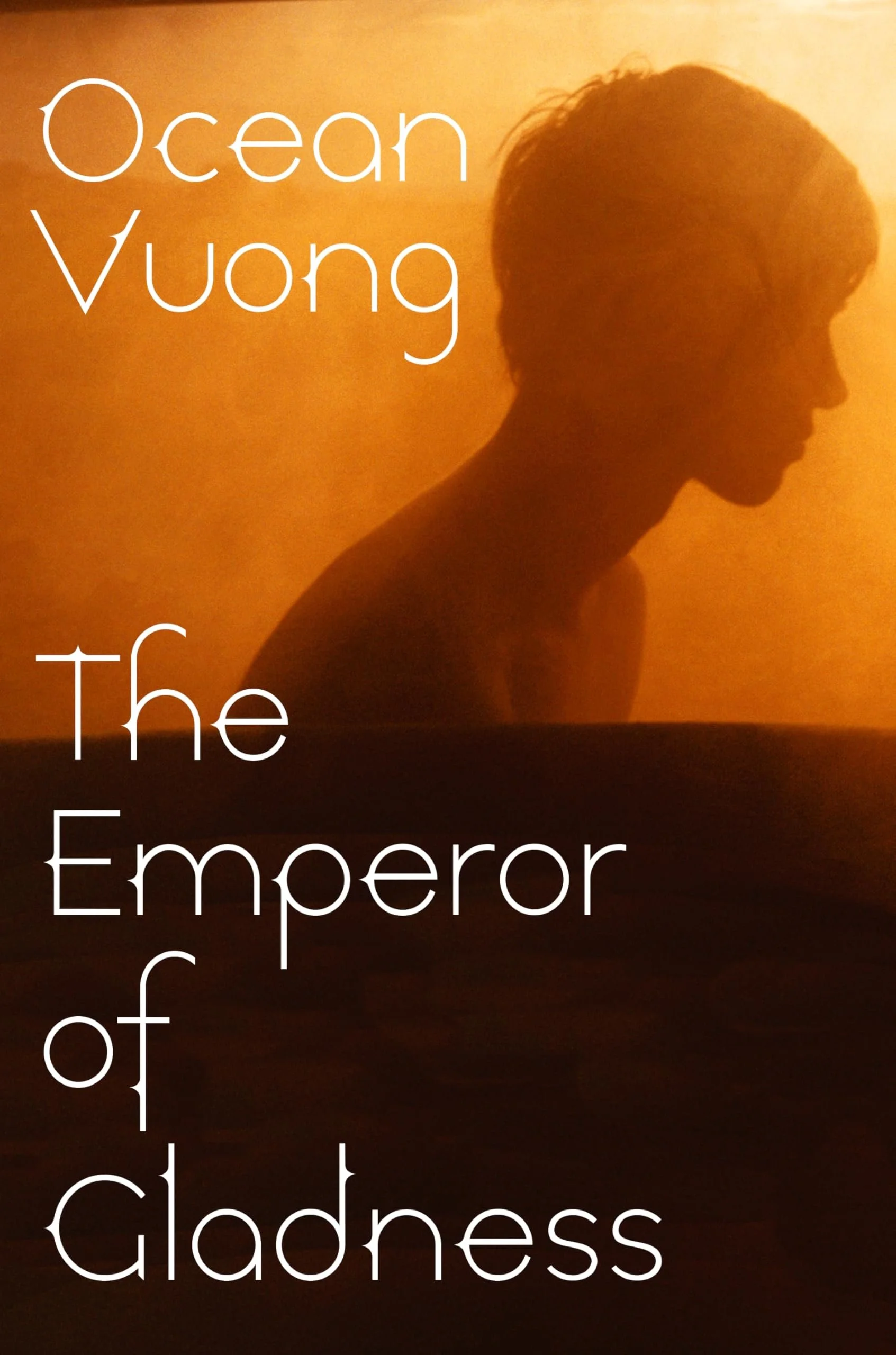
Title: The Emperor of Gladness
Author: Ocean Vuong
Published: May 2025
Ocean Vuong returns with an achingly beautiful novel about chosen family, unexpected friendship, and the stories we tell ourselves in order to survive
One summer evening in the town of East Gladness, Connecticut, nineteen-year-old Hai stands on a bridge, ready to jump, when he hears someone shout across the river. The voice belongs to Grazina, an elderly widow succumbing to dementia. Over the course of the year, the unlikely pair develops a life-altering bond.
The Emperor of Gladness shows the profound ways in which our lives are changed by the most unexpected of people. When Hai takes a job at a diner to support himself and Grazina, his fellow workers become the family he didn’t expect to find. United by desperation and circumstance, and existing on the fringes of society, together they bear witness to each other’s survival.
Discussion Questions
The sisters respond to war very differently, Isabelle with defiance and bold resistance, Vianne with quiet endurance and maternal protection. In what ways is each sister both strong and vulnerable? Which approach do you relate to more, and why?
The novel opens with the idea that “in love we find out who we want to be; in war we find out who we are.” How do love and war shape the characters’ choices, particularly Isabelle’s romantic passion and Vianne’s maternal devotion? Do you agree with this statement in your own life?
Many characters assume women cannot be heroes yet Isabelle, Vianne, and others prove otherwise. How does the novel explore the heroism of women, and how does it compare with the actions of male characters? Do you think women’s contributions in times of crisis are still undervalued today?
Several characters adopt secret identities, for example Isabelle as “the Nightingale,” Ari forced to become Daniel. How does taking on a new identity protect or endanger them? Do you think it’s an act of survival, betrayal, or both?
Vianne is forced into incredibly difficult choices such as giving Captain Beck information. Were these justified? How do the characters navigate the blurred line between survival and complicity?
Isabelle says it’s “better to be bold than meek,” while Vianne believes in enduring quietly for the sake of her children. Who do you think demonstrates greater courage in the novel? Do you believe heroism is found in bold risks or in quiet sacrifices or both?
Julien ultimately sacrifices his life to save Isabelle, an act she sees as his attempt at redemption. Do you believe this act absolved him of his earlier failures as a father? Can one act erase a lifetime of mistakes?
Beck is portrayed with nuance, at times seeming sympathetic despite being an enemy officer. How did your perception of him shift as the story progressed? Was he a “good man in a bad position,” or ultimately complicit in Nazi crimes?
This novel has been criticized for its historical inaccuracies ranging from military details to the portrayal of resistance in France. Did these issues bother you as a reader, or were you able to overlook them in favour of the emotional impact of the story? How important is accuracy in historical fiction to you?
The Nightingale blends fact with imagination, sometimes prioritizing drama over historical detail. Do you think this enhances the story’s accessibility, or does it undermine its credibility? What do you believe the balance should be between accuracy and emotional truth in historical fiction?
Kristin Hannah frames the story with a hidden narrator whose identity is revealed only at the end. How did this narrative structure affect your reading experience? Were you surprised by the reveal, and did it change how you reflected on the story?
Which scenes or characters moved you most deeply? Did the novel change or deepen your understanding of life under Nazi occupation? Ultimately, what will you remember most about The Nightingale and why?