

Open, Heaven

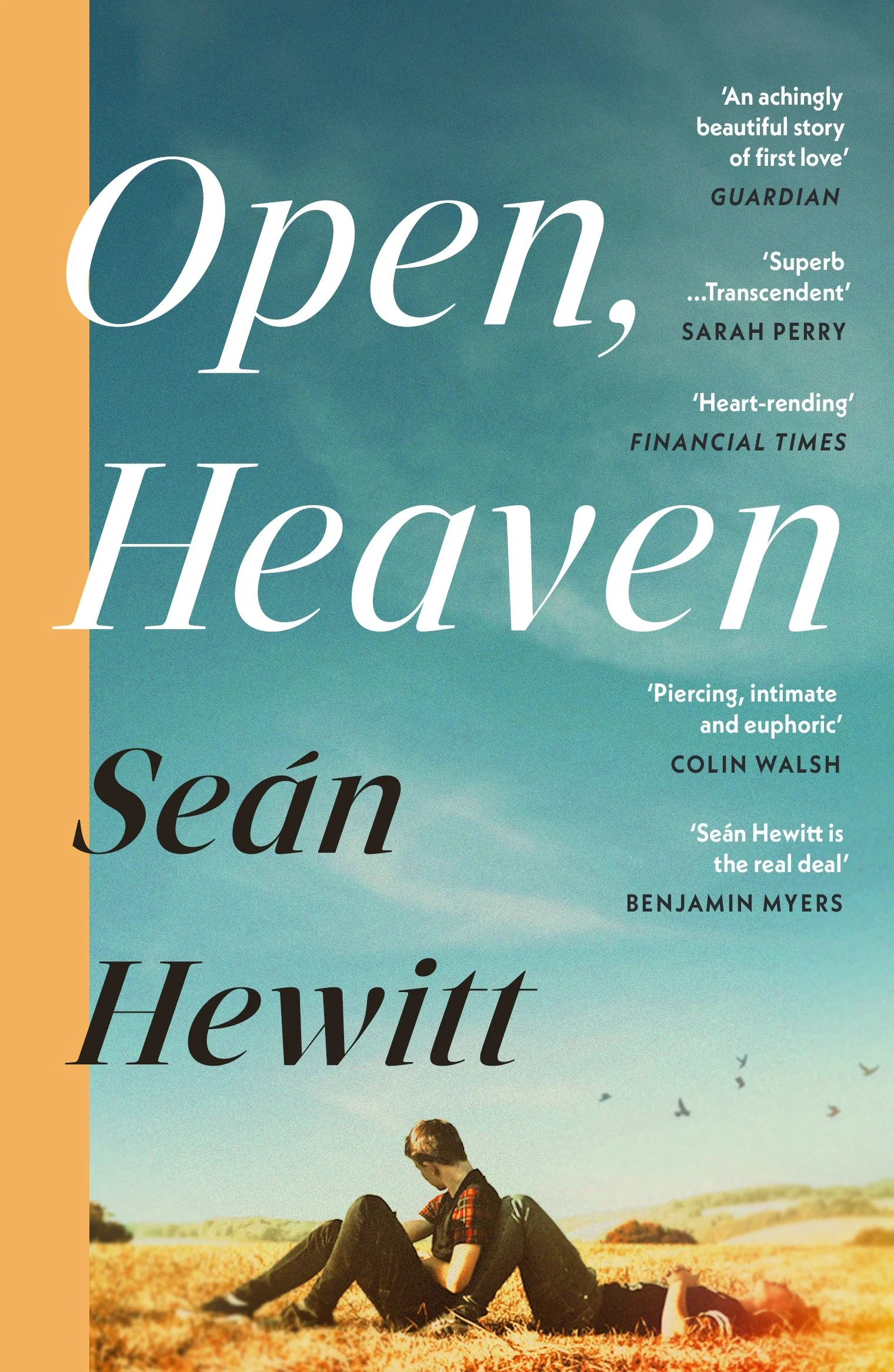
On the cusp of adulthood, James dreams of another life far away from his small village. As he contends with the expectations of his family, his burgeoning desire – an ache for autonomy, tenderness and sex – threatens to unravel his shy exterior.
Then he meets Luke. Unkempt and handsome, charismatic and impulsive, he has been sent to live with his aunt and uncle on a nearby farm. Luke comes with a reputation for danger, but underneath his bravado lie anxieties and hopes of his own.
With the passing seasons, the two teenagers grow closer and the bond that emerges between them transforms their lives. James falls deeply for Luke, yet he is never sure of Luke’s true feelings. And as the end of summer nears, he has a choice to make – will he risk everything for the possibility of love?
Discussion Questions
1. Hewitt has described Open, Heaven as an unrequited love story that aims to remain romantic rather than bleak. Do you think the novel succeeds in this? Why or why not? Were there particular moments that felt especially romantic or especially painful?
2. Sexual desire within the novel is treated as close to sacred. How does this influence the tone of James' longing for Luke, and how does it differ from more cynical or purely realist portrayals of desire?
3. The novel lingers on moments of waiting, watching and imagining rather than action. How does this focus shape the emotional tone of the book? Were there moments where this felt especially powerful or frustrating and what might Hewitt be suggesting about desire itself?
4. Hewitt's writing is often described as lyrical or flowery. How did the language affect your reading experience? Did it deepen your emotional connection, or did it ever distance you from the story?
5. The natural world, including gardens, seasons, flowers, canals, appears closely bound to James' emotional and sexual awakening. How do these images amplify or complicate his inner life? Are there moments where nature feels consoling, and moments where it feels ominous?
6. Luke remains somewhat elusive throughout the book. How did you understand him as a character? Did you see him as a fully independent person, or as someone filtered through James' feelings and imagination? Why do you think Hewitt chooses to keep him this way?
7. The relationship between James and Luke sits in a space between friendship and romantic possibility. How did you interpret their bond, and where did you feel the tension most strongly?
8. James often feels distinctly othered within his family, at school and in the village community. How do his relationships with his parents and other villagers contribute to his sense of isolation? In what ways does the village feel watchful, indifferent or quietly oppressive? Did any of this feel familiar or recognisable?
9. James’ relationship with his younger brother Eddie plays an important role in the novel. How do you see James balancing his pull toward freedom with his sense of responsibility to family? Are there moments where this tension feels particularly sharp?
10. Do you see Open, Heaven as a traditional coming-of-age story or something more unresolved? By the end of the book, in what ways has James changed or stayed the same? Do you think he ever truly moves on?