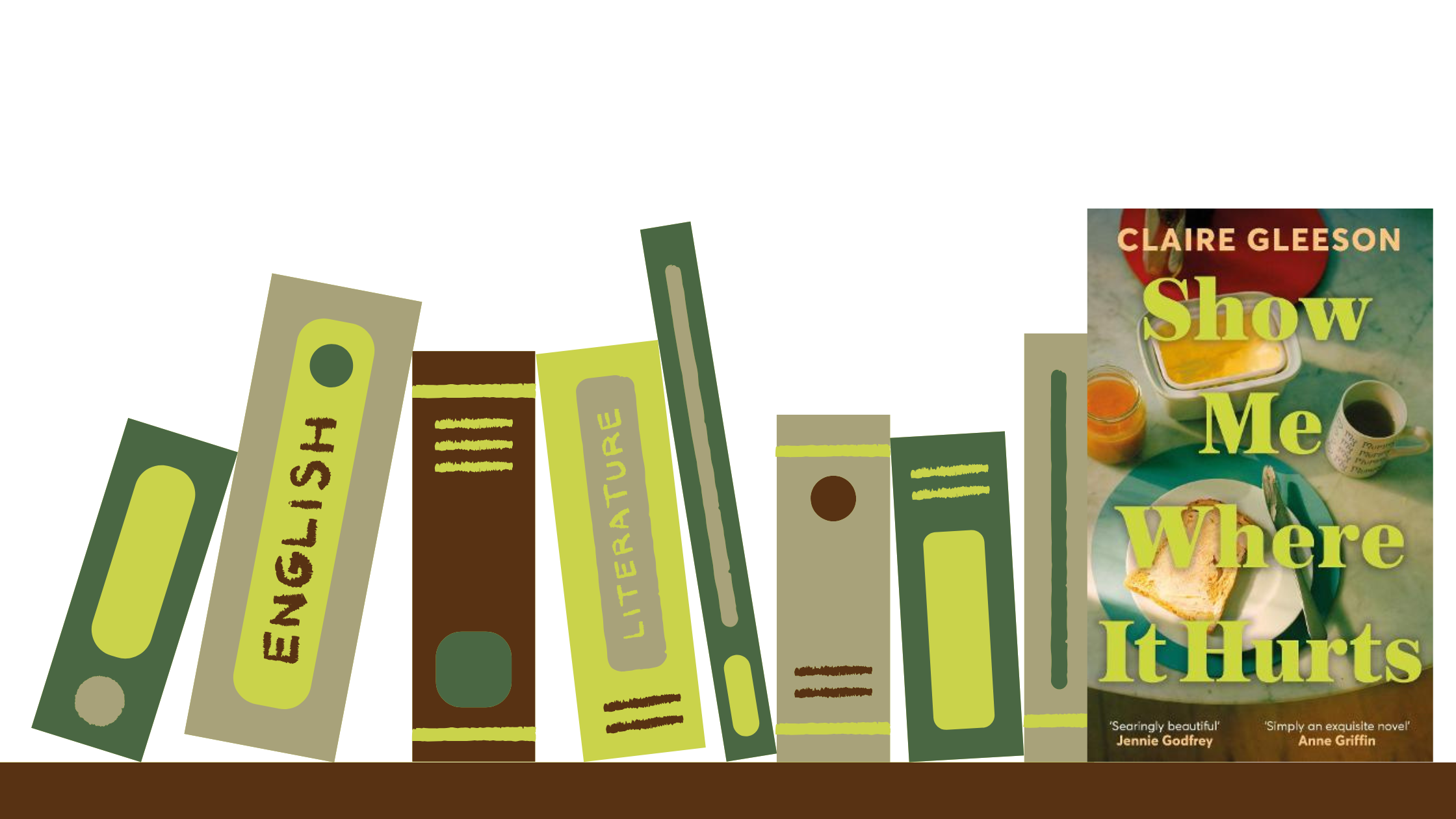
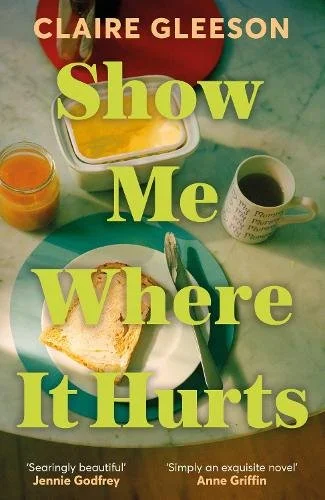
Show Me Where It Hurts
“’Are you just sad?’
‘I don’t know. I’ve been sad for so long. I don’t know what it feels like not to be.’”
Title: Show Me Where It Hurts
Author: Claire Gleeson
Published: April 2025
How do you survive the unsurvivable?
Rachel lives with her husband Tom and their two children: it’s the ordinary family life she always thought she’d have. All of that changes in an instant – when Tom runs the family car off the road, seeking to end his own life, and take his wife and children with him. Rachel is left to pore over the wreckage to try and understand what happened – to find a way to go on living afterwards.
What emerges is a snapshot of what it’s like to live alongside someone who is suffering, how you keep yourself afloat when the person you love is drowning, and how you survive irreparable loss.
Impossible to turn away from, Show Me Where It Hurts is a compelling, heartbreaking and ultimately life-affirming story of recovery and unexpected hope.
Discussion Questions
Despite its devastating premise, the novel is described as life-affirming. It opens with an act of unimaginable violence. How did this shape your reading experience from the outset, and did your understanding of it change as the story unfolded?
Grief is depicted in a raw and non-linear way throughout the novel. Which moments or aspects of Rachel’s grief felt particularly striking or unexpected and how accurate is this portrayal?
The book is told through fragmented, vignette-style storytelling, moving the narrative between “Before” and “After.” How did this style contribute to (or challenge) your understanding and did this structure affect your emotional engagement with Rachel, Tom, and the story as a whole?
If the novel had been told solely from one chronological timeline, how do you think it would have changed the impact of the story?
The novel invites the reader to sit with ambiguity, particularly around Tom’s internal world. He is portrayed as both a loving husband and someone capable of devastating harm. How did the novel navigate this tension, and how did it shape your feelings towards him?
The book explores living alongside someone with severe mental illness. What did it reveal about the complexities of recognising, understanding, or responding to someone else’s suffering when they can’t show you where it hurts?
As a nurse, Rachel has medical knowledge and experience, which leads her to repeatedly question what she missed or could have done differently. To what extent do you think this influences her perspective on Tom’s illness and her own sense of responsibility?
The children are never named, instead described through their traits. What effect did this have on your reading of the story and your connection to them?
Family dynamics play an important role, particularly Rachel’s relationships with her parents, sister, and in-laws. How do these relationships evolve in the aftermath of the tragedy?
How does the novel explore the idea of blame versus accountability? Did this exploration change of you previously held views?
There are moments where love and harm exist side by side in this story. How did the book challenge or complicate your understanding of love within relationships?
Looking at the novel as a whole, what do you think it is trying to say about survival and what it means to go on living after something irreparable? Were there moments of hope or resilience within the story
Further Reading
The Irish Times: GP and author Claire Gleeson: ‘I have dealt with patients who lose complete touch with reality’
Mindo.ie: A literary exploration of grief and recovery
Spotify: Confessions of a Debut Novelist - Claire Gleeson
Irish Independent: Book Review