

The Emperor of Gladness
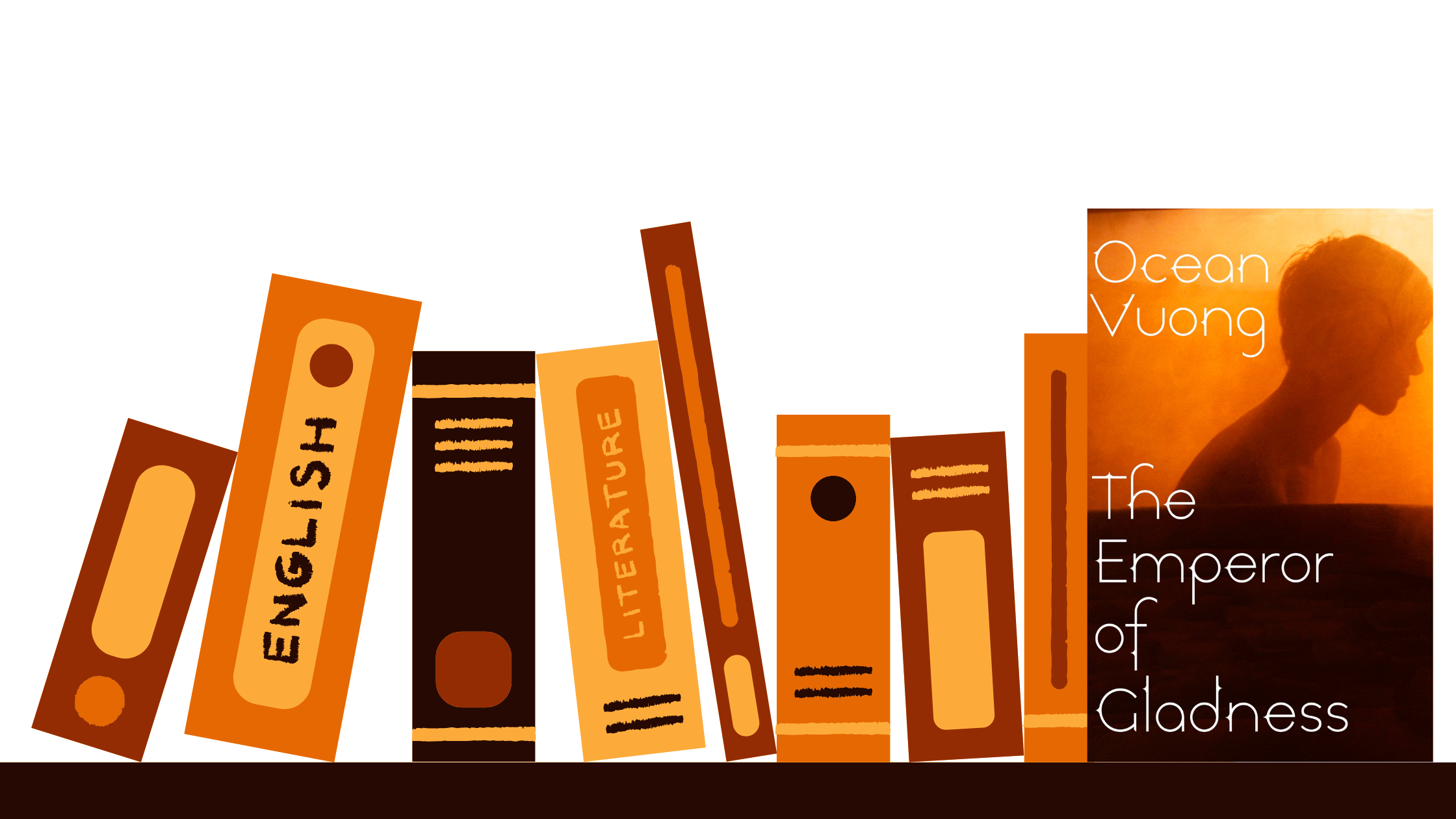
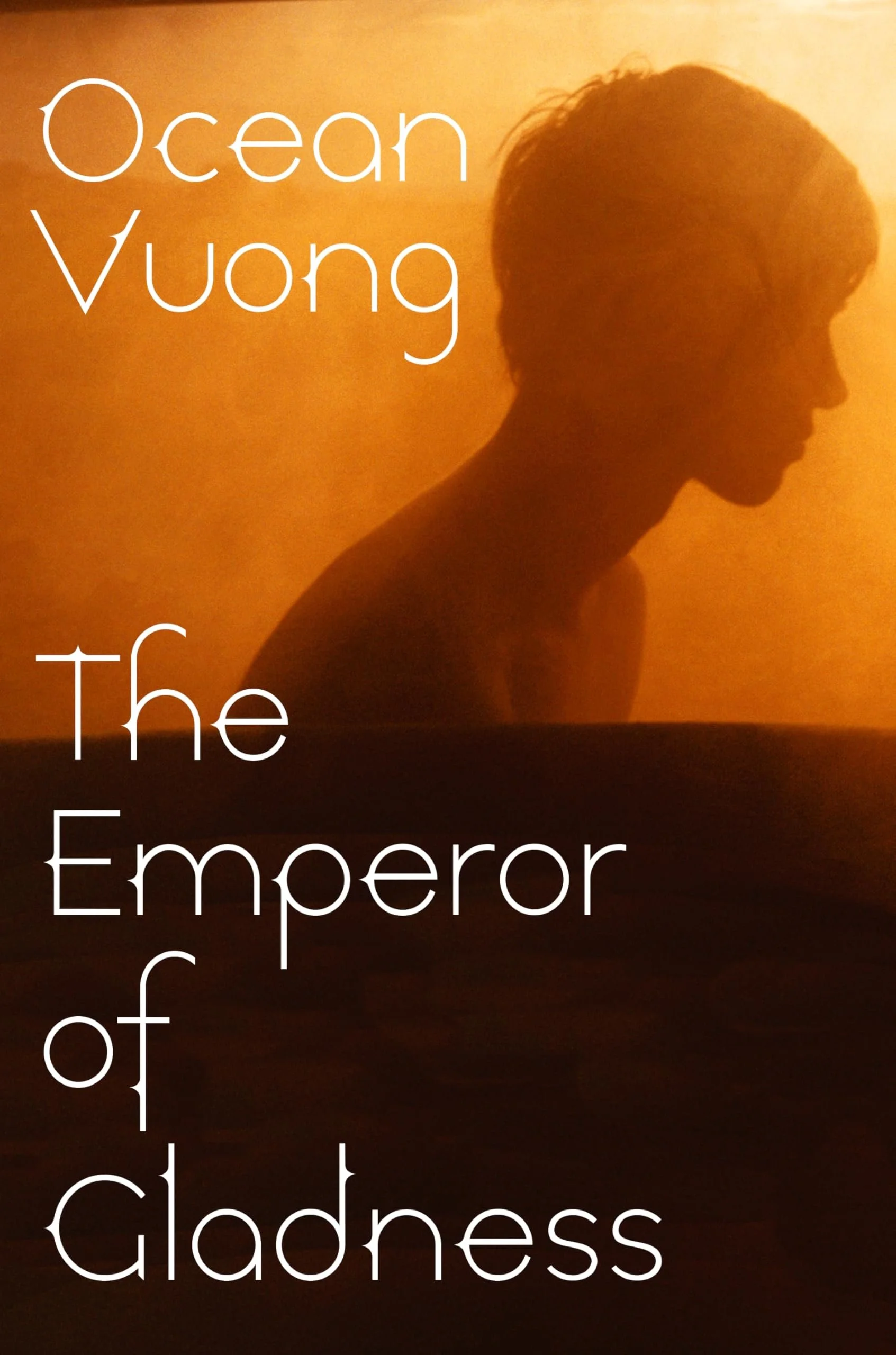
Title: The Emperor of Gladness
Author: Ocean Vuong
Published: May 2025
Ocean Vuong returns with an achingly beautiful novel about chosen family, unexpected friendship, and the stories we tell ourselves in order to survive
One summer evening in the town of East Gladness, Connecticut, nineteen-year-old Hai stands on a bridge, ready to jump, when he hears someone shout across the river. The voice belongs to Grazina, an elderly widow succumbing to dementia. Over the course of the year, the unlikely pair develops a life-altering bond.
The Emperor of Gladness shows the profound ways in which our lives are changed by the most unexpected of people. When Hai takes a job at a diner to support himself and Grazina, his fellow workers become the family he didn’t expect to find. United by desperation and circumstance, and existing on the fringes of society, together they bear witness to each other’s survival.
Discussion Questions
1. We first meet Hai on a bridge between life and death. How did that opening shape how you saw him for the rest of the novel?
2. Hai and Grazina’s relationship is tender, complicated, and morally messy. Did it feel comforting, unsettling, or both?
3. Grazina says that living decently without making life “big or grand” is enough. How does the novel challenge ideas of success and ambition?
4. Masculinity in the book often shows up as softness, fear, and care. How does Hai’s masculinity compare to the men around him or to cultural expectations?
5. HomeMarket is brutal but deeply communal. Why do you think Hai finds belonging there, and what does the novel suggest about work as community?
6. Immigration and inherited trauma shape both Hai and Grazina. How do their histories influence how they move through the world?
7. Characters tell stories to survive. When do these stories protect them, and when do they become harmful?
8. Time feels fluid in the novel, with past and present constantly overlapping. How did this affect your understanding of trauma, dementia, or grief?
9. Beauty appears alongside addiction, poverty, and violence. Where did you notice beauty most, and why do you think it matters here?
10. The novel moves between tenderness, humour, and moments of real brutality. How did that tonal mix affect your reading experience? Did it feel true to life?
11. The title, The Emperor of Gladness, suggests authority over something fragile and fleeting. Who or what do you think the “emperor” is in this story, and what does gladness actually mean here?
12. The novel ends without clarity about Hai’s future. Did that ending feel honest, hopeful, or frustrating to you?