Murder Bimbo
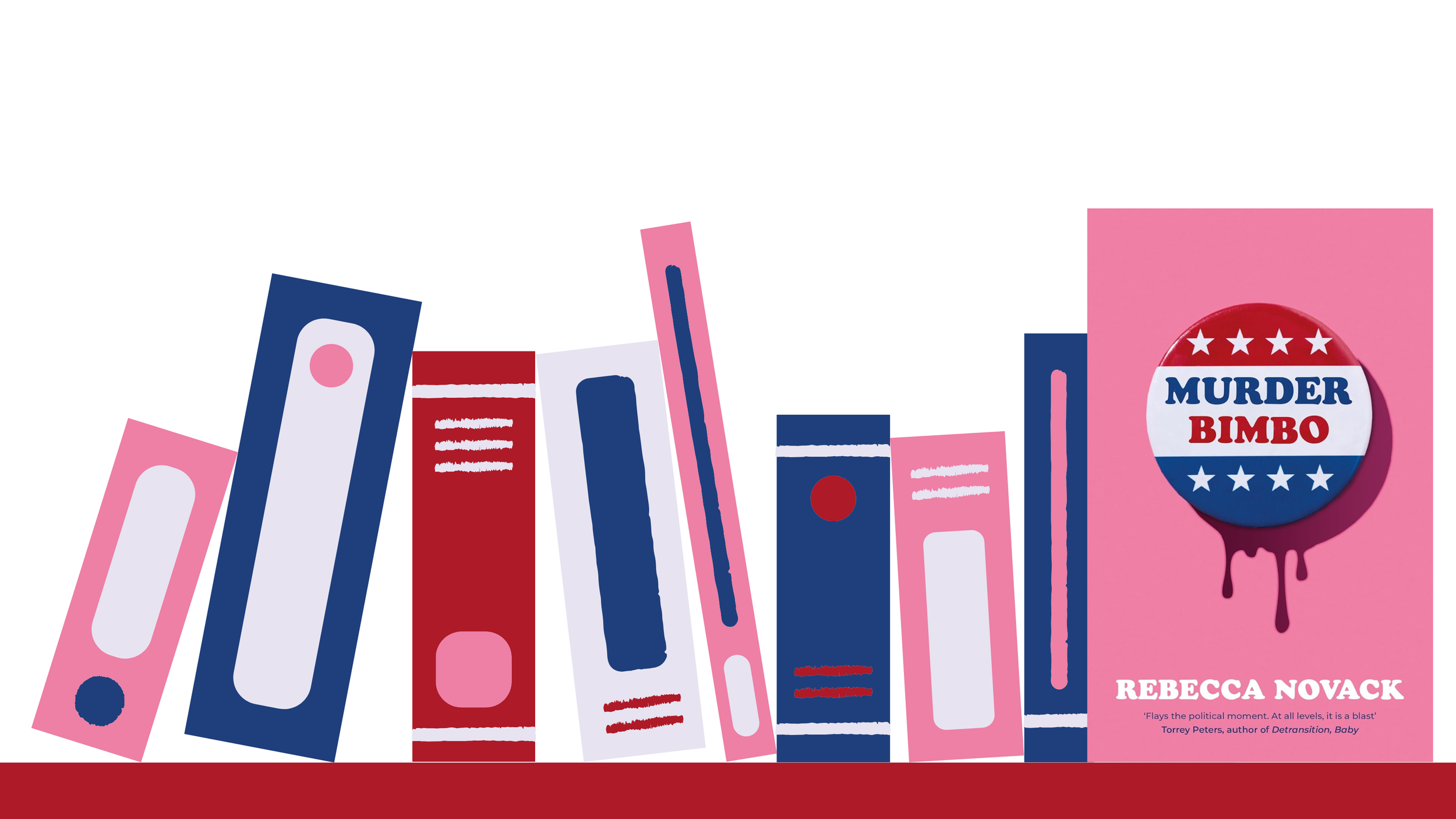
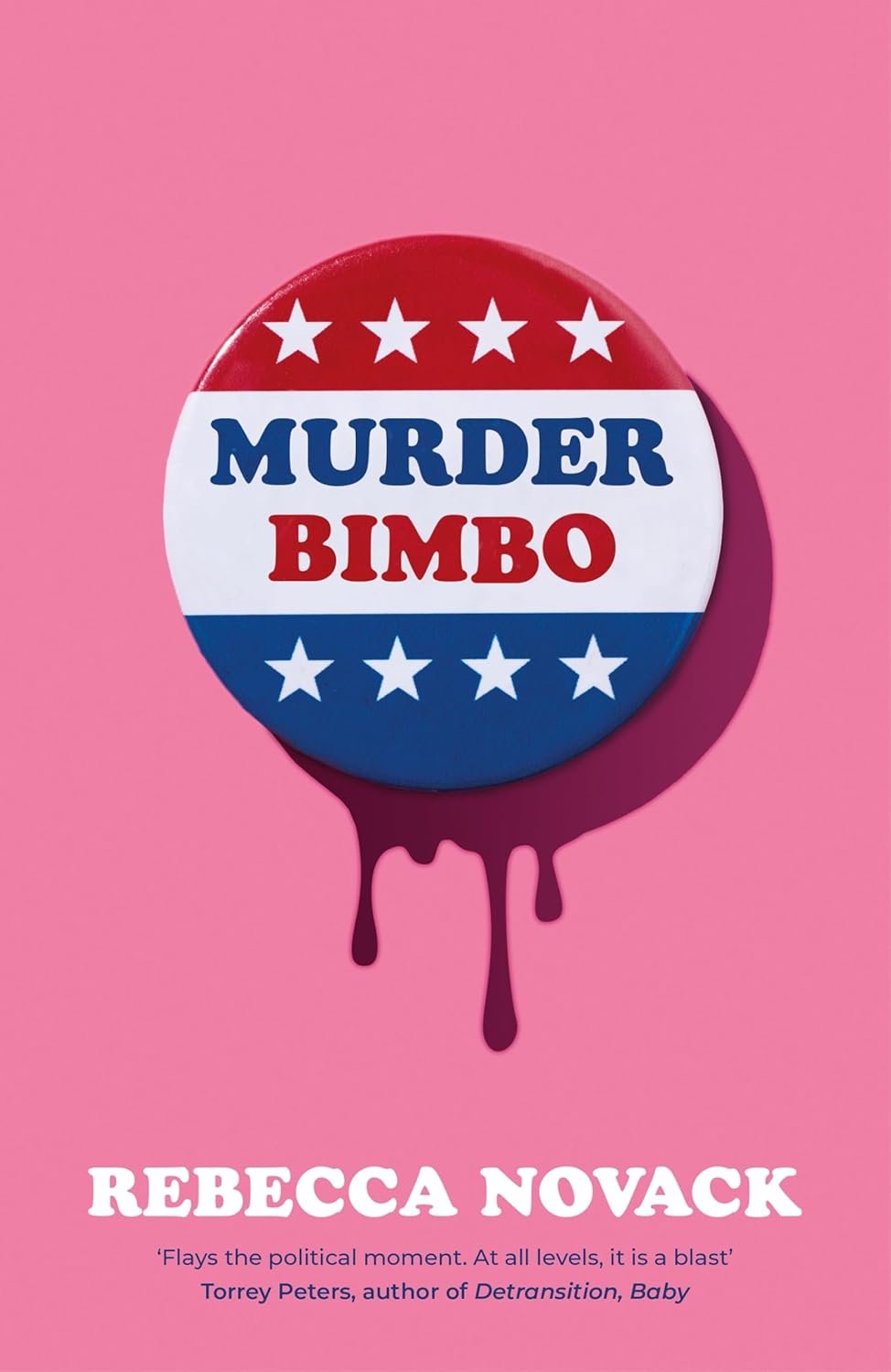
A 32-year-old sex worker has just killed extremist political hopeful Meat Neck. Holed up in an off-the-grid cabin in the woods, she now has only two days, her wits and a high-speed internet connection to save her own life.
Her best bet is to reach out to the wildly popular feminist investigative
podcast Justice for Bimbos. In a hastily-typed series of emails, the
newly-minted "Murder Bimbo" explains how she was recruited and then trained by a cabal of code-named US agents to take out Meat Neck.
But, when she starts a new set of emails, this time addressed to her ex-girlfriend, we begin to realize that Murder Bimbo might not be the unsuspecting cog she claims to be.
In a time where 'truth' is more flexible than ever before - who really is Murder Bimbo? And what will she do next?
Introducing an unforgettable character for our times: hyper articulate, totally untrustworthy, politically murky, charmingly petty, and wholly egotistical - this is . . .
MURDER BIMBO
Discussion Questions
1. Murder Bimbo constantly reshapes her story depending on who she’s writing to. Do you think she’s consciously manipulating her audience, or is she genuinely trying to locate the truth as she goes?
2. The novel plays with the idea that truth is flexible. In our current political and online climate, did that feel exaggerated or uncomfortably accurate?
3. How did you feel about rooting for her, if you did? At what points did your sympathy grow or shrink?
4. The book is deeply aware of how sex workers are perceived as disposable. Do you think her profession gives her more power over narrative and performance, or does it ultimately make her more vulnerable?
5. “I killed him for you.” How much of her motivation do you think is political conviction, and how much is about love, ego, revenge, or wanting to be seen?
6. She’s described as narcissistic, resourceful, hyper-articulate, egotistical. Is she a feminist anti-hero, a satire of one, or something else entirely?
7. The emails to the podcast host feel performative in a different way to the emails to her ex. What does the book suggest about activism as spectacle versus activism as something personal and messy?
8. The satire of American politics and “Very Online” culture is sharp and relentless. Did it feel incisive or exhausting? What moments landed best for you?
9. If we strip away her different versions of events, what do you think is the emotional truth at the core of her story?
10. By the end, did you feel like you understood Murder Bimbo better, or less? And is that the point?