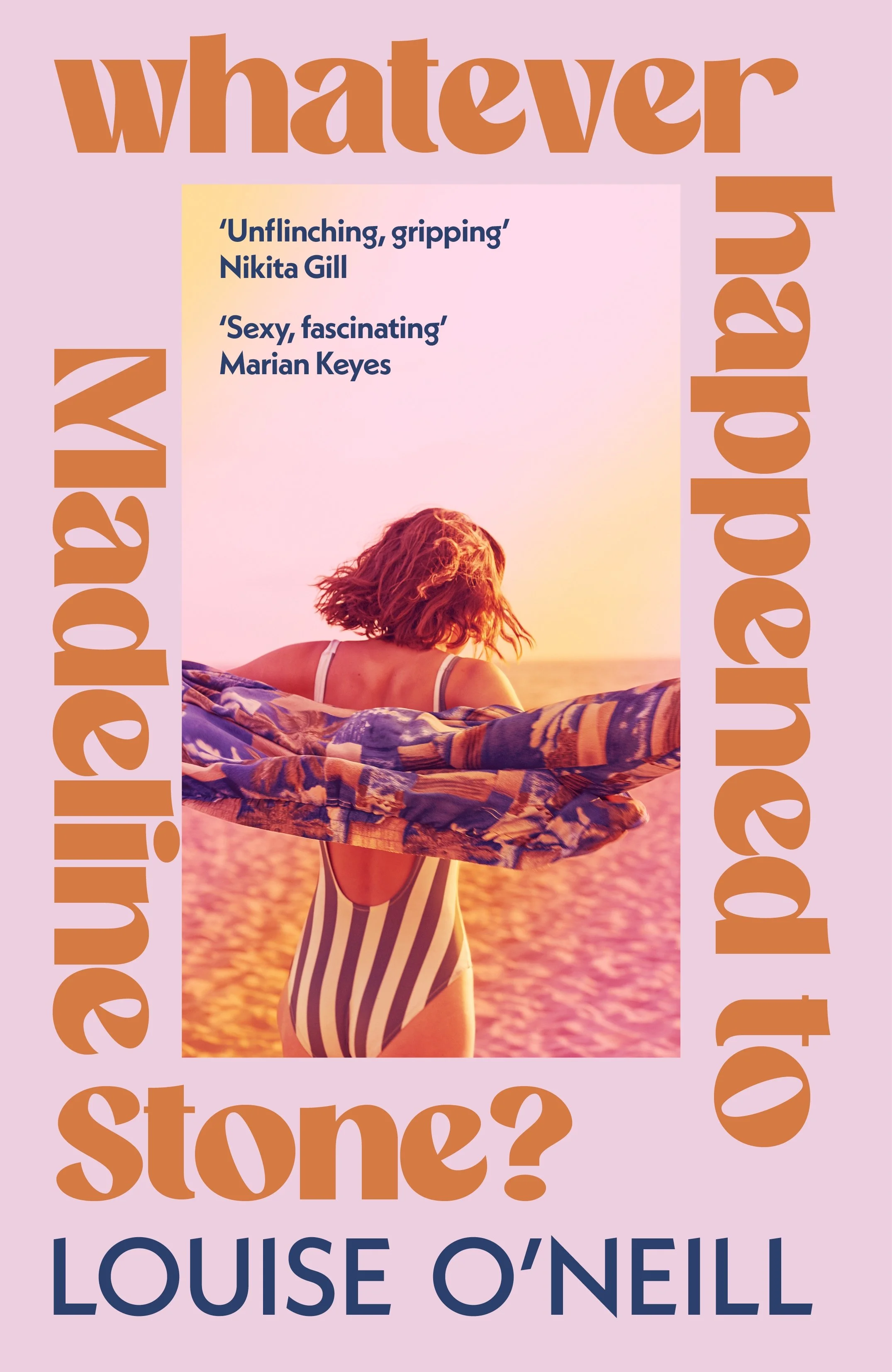
Whatever Happened to Madeline Stone
2002.
Twin sisters Madeline and Chelsea Stone are joint stars of the AtomicKids sitcom Double Trouble, but everyone knows it’s Maddie who shines most brightly. Until Chelsea beats her sister out for the role of a lifetime and is catapulted into the spotlight. And just as Chelsea’s star reaches impossible new heights, Maddie disappears.
2025.
Chelsea Stone retired from acting after her sister’s disappearance – but living life under the radar is easier said than done when you’re the most famous woman of your generation.
When a storage locker is found containing heart-breaking truths about the year Maddie went missing, Chelsea feels a flicker of hope for the first time in twenty years. This is her chance to discover what really happened to her twin, but to follow the trail she’ll have to face the past and step back into the spotlight . . .
Discussion Questions
1. The novel moves between the early 2000s and present day. How did the dual timeline structure shape your reading experience? Did knowing where certain characters ended up change the way you interpreted the earlier chapters?
2. Erin’s belief in fortune telling and prophecy hangs over the entire novel. How did this element shape your understanding of the family dynamic? Did you see the psychic prediction as fate, self-fulfilling prophecy, or something else entirely?
3. The relationship between the sisters is filled with love, resentment, loyalty, and competition. How well do you think the novel captured the complexity of sibling relationships?
4. There’s a recurring tension between public image and private reality throughout the novel. Which moments best captured the gap between how the twins were perceived and what they were actually experiencing?
5. Several characters justify harmful behaviour in the name of ambition, protection, or survival. Which character did you find most morally complicated?
6. The novel raises uncomfortable questions about child stardom and public consumption. Do you think the book argues that child actors should not exist at all, or is the criticism more about the systems surrounding them?
7. One of the most unsettling aspects of the novel is how many adults fail the twins while benefiting from their success. Which character or system did you find most complicit in their exploitation, and why?
8. The book is packed with references to early 2000s celebrity culture: tabloids, paparazzi, “heroin chic,” toxic beauty standards, countdown culture, and the exploitation of young women in the media. How did this setting impact your reading? Were there elements of the many throwbacks you enjoyed?
9. Considering the deep nostalgia for the early 2000s in the book, how critical of the era do you think O'Neill is being. Did you find yourself reflecting differently on the media or celebrity culture you consumed growing up?
10. As a thriller, how did the novel work for you? Were you surprised by the twists, or did the sense of inevitability feel intentional? Do you think predictability can sometimes strengthen a story’s message rather than weaken it?